How to Get Smoky Wok Flavor in Drunken Noodles
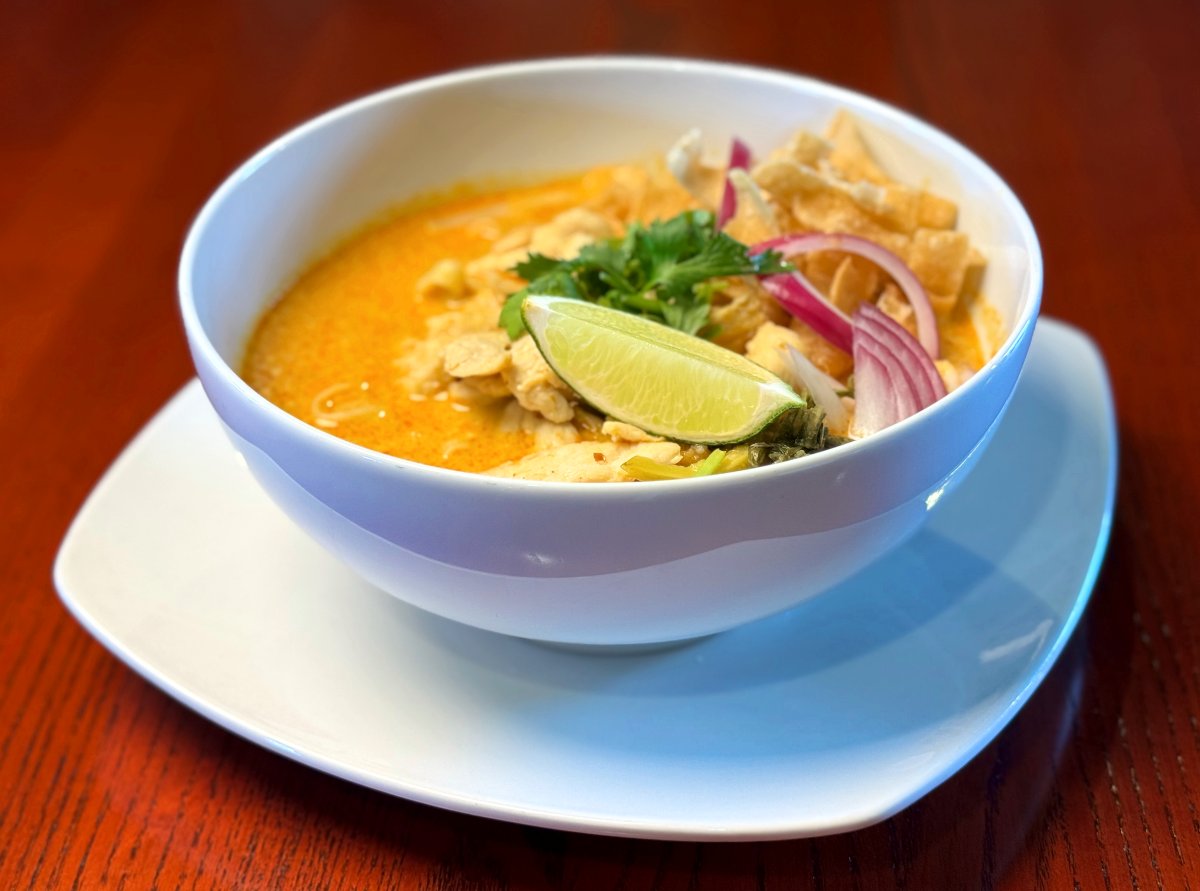
The first time a pan of noodles smells faintly charred, sweet with basil, and edged with soy, you understand why restaurant stir fries are so hard to copy at home. Drunken Noodles, or pad kee mao, live or die on that flavor. Not burnt, not greasy, not merely salty. Smoky. Toasted. Fast. The noodles should taste as if they brushed up against real heat for just a moment and came away better for it.
That signature character is often described as wok hei, a Cantonese term that loosely points to the breath of the wok, the elusive aroma and flavor that come from intense heat, oil, motion, and slight charring. Home cooks chase it with every high-heat stir fry. Some get close. Many end up with steamed noodles, pale vegetables, and sauce pooling at the bottom of the pan.
The good news is that you do not need a restaurant jet burner to make Drunken Noodles that taste smoky and vivid. You do need to understand what creates that flavor, what your stove can and cannot do, and how to stack the odds in your favor. Once you stop treating stir-frying like a casual toss-it-all-in exercise, the dish changes completely.
Smoky flavor is built before the pan gets hot
People tend to focus on the last ninety seconds in the wok, but the outcome starts much earlier. The pan only has a brief window to do its job. If the noodles are wet, the vegetables are cold, the sauce is too abundant, or the protein is crowded, the wok spends that precious time boiling off moisture instead of searing ingredients.
Drunken Noodles are especially vulnerable because the dish includes wide rice noodles, a sauce that usually contains several liquid seasonings, and often a generous amount of vegetables. Every one of those elements can lower pan temperature. When the heat drops, smoke disappears, caramelization stalls, and the noodles soften without developing character.
That is why cooks who consistently produce great stir fries obsess over setup. They dry ingredients. They portion carefully. They keep sauces tight and concentrated. They accept that speed matters more than spectacle. The dramatic tossing you see in restaurant kitchens is not the secret. Control is.
What wok hei actually feels like in the pan
A lot of people describe wok hei as if it were magic. It is not magic, though it can feel mysterious because it happens fast and vanishes just as fast. In practical terms, smoky wok flavor comes from a few overlapping effects: oil heating to the point where it carries aromatic compounds into the food, sugars and proteins browning on contact, tiny bits of charring at the edges, and moisture flashing off quickly enough that ingredients fry rather than steam.
At restaurant scale, the flame often curls around the sides of a carbon steel wok. The metal gets fiercely hot. Oil shimmers almost instantly. Ingredients hit the surface and sizzle hard. The cook keeps them moving, but not constantly. That detail matters. If food is stirred every second, it never gets the brief contact needed to char.
At home, your burner probably cannot recreate that exact environment. Still, you can capture some of the same flavor by working in smaller batches, preheating properly, and giving ingredients direct contact with a very hot surface. Think less about copying a restaurant flame and more about creating short bursts of concentrated searing.
The right pan makes a difference, but not in the way most people think
A carbon steel wok remains the best tool if you have the burner for it and enough practice to control it. Carbon steel heats fast, cools quickly when needed, and develops a seasoned surface that handles high heat well. For gas stoves, especially if you can use a wok ring safely, it is hard to beat.
But a flat-bottomed wok or a large carbon steel skillet can perform better than a round-bottom wok on many home ranges. Electric and induction stoves need solid contact. If half the pan hovers above the heat source, you lose power where you need it most. A 12-inch carbon steel skillet often outperforms a poorly matched wok simply because it makes full contact with the burner.
Cast iron can produce strong browning, though it responds more slowly. Stainless steel can work in a pinch, but it tends to cling to rice noodles if your timing is off. Nonstick is the least suitable for this particular goal. It usually cannot be heated aggressively enough, and the surface discourages the kind of hard searing that creates smoky notes.
If your current setup is modest, do not let that stop you. I have eaten very good home versions of Drunken Noodles made in a plain steel skillet on an ordinary gas stove. The cook compensated with discipline: smaller portions, dry noodles, and zero hesitation.
Start with noodles that can actually char
Fresh wide rice noodles are ideal for Drunken Noodles. They have a supple chew and broad surfaces that pick up browning. But they are also delicate. If they are refrigerated, they often stiffen and clump. If you tear them apart too roughly, they break. If they go into the pan cold and wet, they steam and stick.
When using fresh noodles, let them come closer to room temperature if possible. Separate them gently with your hands. If they are tightly compacted, a brief warm-up can help, but https://marioruqg168.greyhavendaily.com/posts/drunken-noodles-with-egg-easy-ways-to-add-richness be careful. Too much moisture on the noodles is the enemy of smoke. If they seem damp, pat them lightly or let them air out for a few minutes.
Dried rice noodles can absolutely work. In some home kitchens they are easier because you control hydration from the start. The mistake is soaking or boiling them to full softness before stir-frying. They should be pliable but slightly underdone. The final minute in the pan finishes them. If they are already fully soft, they collapse and glue themselves together before they ever brown.
There is a narrow sweet spot. The noodles should bend easily, separate without snapping, and still feel like they have a little resistance in the center. That slight undercooking gives them enough structure to survive high heat.
Sauce needs to be concentrated, not abundant
One of the biggest reasons home Drunken Noodles lack wok flavor is excess sauce. It is easy to assume that more liquid means more flavor. In stir-frying, more liquid often means diluted flavor and a wet pan. The ingredients need a light coating, not a bath.
Classic versions often lean on oyster sauce, soy sauce, dark soy sauce for color, fish sauce for depth, and a touch of sugar to round it out. Some cooks add a little stock or water, especially when balancing salt or loosening the sauce. At home, restraint matters. A sauce mixture that looks slightly too strong in a bowl often tastes right once it spreads over noodles and vegetables.
The goal is a sauce that hits hot metal, reduces almost instantly, and clings. If it puddles, you used too much or added it at the wrong moment. Either way, the pan cools, the noodles soften, and the smoky edge fades.
Aromatics matter, but timing matters more
Garlic, Thai chiles, and holy basil are not just supporting players. They shape the entire personality of the dish. Garlic should toast without scorching. Chiles should bloom in the oil so their heat perfumes the pan. Basil should hit late enough to stay bright but early enough to wilt into the noodles.
This is where many home cooks rush. They add garlic first, then fumble with the protein, then search for the sauce while the garlic blackens. Once garlic burns, the whole dish takes on a bitter edge that people sometimes mistake for char. It is not the same thing. Good smoky flavor smells savory and slightly sweet. Burnt garlic smells acrid and thin.
Mise en place is not restaurant vanity here. It is survival. Drunken Noodles move too fast for improvisation. If you have to open a bottle or chop vegetables after the oil is hot, you are already behind.
Heat management is the real skill
Most advice about stir-frying says, "Use very high heat." That is not wrong, but it is incomplete. The real skill is knowing when to use maximum heat and when to briefly back off. If you blast the pan the entire time, sugars can scorch before noodles warm through. If you stay too cautious, nothing browns.
For Drunken Noodles, I like the pan ripping hot at the beginning, especially for searing protein and getting initial color on the noodles. Then I modulate. If the aromatics are threatening to burn, I pull the pan off the heat for a few seconds. If the noodles need a moment to absorb sauce, I lower the flame slightly, then raise it again for the final toss. That last burst often brings back the edge of smoke right before the basil goes in.
Experienced stir-fry cooks do this almost unconsciously. They listen more than they look. A pan that is searing properly has a sharp, lively hiss. A pan that is steaming sounds duller, wetter, more congested. Once you learn that difference, you can correct problems faster.
The order of cooking can make or break the dish
Drunken Noodles are not a one-dump stir fry. If you put protein, vegetables, noodles, and sauce in together, the pan floods with moisture. Better results come from staging the ingredients so each gets the right amount of contact with the pan.
A practical sequence looks like this:
- Sear the protein briefly and remove it before it overcooks.
- Cook aromatics and sturdy vegetables fast, just until fragrant and blistered.
- Add noodles and sauce, letting the noodles sit in spots long enough to catch color.
- Return the protein, toss to combine, then finish with basil and any tender vegetables.
That sequence protects the pan temperature and gives the noodles the best chance to develop smoky edges. It also solves a common texture problem. If protein stays in the pan from start to finish, it often turns rubbery by the time the noodles are ready.
Why overcrowding ruins everything
I have seen excellent ingredients, proper sauce, and a good pan all wasted because the cook insisted on making four restaurant portions in one go. It is usually the single biggest obstacle in a home kitchen.
Every ingredient you add drops the pan temperature. Noodles are heavy. Vegetables release water. Protein sheds juices. Home burners recover slowly. Once the pan is overloaded, you are not stir-frying. You are sweating ingredients together. The result can still be edible, but it will not have the smoky quality most people associate with great Drunken Noodles.
If your skillet or wok is around 12 inches and your stove is average, aim for two generous servings at most. For a stronger burner, maybe three. Beyond that, batch cooking is almost always the better choice. Yes, it is slightly less convenient. It is also the difference between vivid noodles and limp ones.
The final contact time is where smoke develops
One subtle mistake is moving the noodles too much. Stir-frying looks constant on television, but in real cooking there are tiny pauses. Those pauses allow the noodles to touch hot metal and brown.
After adding noodles and sauce, toss enough to coat, then let them sit for several seconds before moving again. Press some of the noodle surface against the pan. You are not trying to crisp them into chips, just encouraging little patches of caramelization and char. Repeat once or twice. Those marks are where smoky flavor shows up.
This is especially effective if the sauce contains a touch of sugar or dark soy. The sugars brown quickly and create deeper roasted notes. Go too far, and the sauce turns bitter. Stop too soon, and it tastes merely seasoned. There is a narrow middle ground, and it gets easier to find with repetition.
Small adjustments that help more than you would expect
A few details can improve your results immediately, even if your stove is not especially powerful.
- Dry vegetables thoroughly after washing. A tablespoon or two of surface water can sabotage a stir fry.
- Warm sauce to room temperature before cooking. Cold sauce cools the pan faster than people realize.
- Use neutral oil with a high smoke tolerance, such as peanut, rice bran, avocado, or refined sunflower oil.
- Keep a metal spatula or wok turner in the pan, not on the counter, so you can move quickly.
- Finish with basil off the strongest heat if your pan runs extremely hot, to preserve its aroma.
None of these tricks create wok hei on their own. Together, they protect heat and improve browning, which is the closest thing to a shortcut.
Protein choices change the way the pan behaves
Chicken, pork, beef, shrimp, and tofu all appear in Drunken Noodles, and each behaves differently under high heat. Thinly sliced chicken thigh is forgiving because it stays juicy and browns well. Pork shoulder or loin can be excellent if sliced thin and not overcooked. Beef adds richness but can release more moisture if marinated heavily. Shrimp cook so quickly that they are easy to overdo unless you remove them promptly. Tofu, particularly firm or extra-firm, needs very good surface drying or it will steam.
Marinades deserve a caution. Heavy marinades with cornstarch, water, and sugar can work beautifully in some stir fries, but they are risky here if your goal is smoke. They encourage browning on the protein, yes, but they also leave residue in the pan and can burn before the noodles go in. For Drunken Noodles, lighter seasoning often gives the cleaner result. A touch of soy or fish sauce on the protein is usually enough.
Vegetables should support the noodles, not flood the wok
Traditional versions vary, but common additions include Chinese broccoli, long beans, bell peppers, onions, and baby corn. They all have different water content. That matters.
Bell peppers and onions are home-friendly because they can blister and soften quickly without releasing too much liquid if sliced properly. Chinese broccoli is excellent, but the stems should be sliced small enough to cook fast, and the leaves should go in later. Mushrooms are delicious but bring moisture. If you use them, cook them first and let them release their water before the noodles enter the picture.
This dish is often best when slightly restrained. A mountain of vegetables can turn it into a noodle stir fry with a Drunken Noodles flavor profile, rather than a sharp, smoky plate where noodles remain the focus.
What to do if you only have an average electric stove
An average electric coil or smooth-top stove can still produce a satisfying result, but you have to adapt. Preheat longer than you think you need. Use a flat-bottom carbon steel pan or skillet. Cook smaller amounts. Do not add refrigerated ingredients straight from the container. And accept that the pan may need a few seconds of recovery time between stages.
One useful trick is to heat the empty pan thoroughly, add oil, and let the first ingredient sit undisturbed for a beat instead of stirring immediately. Since electric stoves recover slowly, that initial direct contact is valuable. Another is to cook the protein separately to nearly done, hold it aside, and reserve the strongest heat for the noodles themselves. Since smoky flavor is most noticeable on the noodles and aromatics, that is where your limited power should go.
I have also had decent results by briefly spreading the sauced noodles in a thin layer after tossing, then waiting ten to fifteen seconds before flipping sections over. It is not exactly restaurant wok cooking, but it develops useful browning.
Common problems and how to correct them
Some failures are obvious only after the dish is plated. Others reveal themselves in the first minute. Here are the ones that come up most often in home kitchens.
- The noodles stick in a heavy mass. They were too cold, too wet, or too fully cooked before hitting the pan.
- The dish tastes salty but flat. The sauce was too abundant, not concentrated enough, or never reduced on hot metal.
- The pan smokes but the food does not taste smoky. The oil overheated, but the ingredients steamed instead of seared.
- The basil disappears. It went in too early, or the pan stayed too hot for too long after adding it.
- The protein is tough. It remained in the wok too long and overcooked while the noodles finished.
These issues are frustrating, but they are fixable. Usually one or two small changes produce a noticeable leap in quality.
A realistic home method that gets close
If you want the shortest path to better Drunken Noodles, focus on a repeatable routine rather than a perfect recipe. Prepare your sauce in a small bowl, strong but not excessive. Separate and dry the noodles. Slice protein thin and season lightly. Cut vegetables so they cook in under a minute or two. Heat a carbon steel pan until it is properly hot, then add oil.
Sear the protein quickly and remove it. Add garlic and chiles, followed almost immediately by sturdy vegetables. Keep them moving, but not frantically. Add noodles and sauce. Toss to coat, then pause long enough for the noodles to contact the pan and mark lightly. Return the protein. Give the pan one final burst of heat. Add basil, toss once or twice, and plate immediately.
That last detail matters. Drunken Noodles do not wait well. Sit them in a bowl for ten minutes and steam softens everything you worked to build. They are at their best the moment the smoke leaves the pan and the basil still smells green.
The smoky note should never overpower the dish
There is a temptation, once you understand the goal, to chase char too aggressively. But Drunken Noodles are not supposed to taste burnt. The smoke is an accent, not the whole performance. It should lift the sweetness of the oyster sauce, deepen the fish sauce, and give the basil and chiles a darker edge. If the first thing you taste is bitterness, you overshot.
Some of the best versions I have eaten had only a modest visible char. What made them memorable was balance. The noodles were glossy but not greasy, spicy but not punishing, aromatic with basil, and threaded with that unmistakable toasted flavor. You noticed it more in the aroma and aftertaste than in blackened marks.
That is worth remembering in a home kitchen. The target is not theatrical smoke pouring from the pan. The target is flavor.
Practice beats equipment
A stronger burner helps. Better cookware helps. Fresh noodles help. But the biggest change comes from repetition. Once you cook Drunken Noodles a few times with real attention, you start to notice patterns. How long your pan takes to preheat. How much sauce is too much. How quickly your garlic turns from fragrant to dark. How many noodles your stove can handle before the hiss fades.
Those observations matter more than chasing someone else’s exact method. Two cooks can use the same ingredients and get very different outcomes because one recognizes the signs and adjusts in real time. That is the craft behind stir-frying. It is quick, but it is not careless.
If you want smoky wok flavor in Drunken Noodles, treat heat like an ingredient. Protect it. Manage moisture ruthlessly. Let the noodles touch the pan long enough to earn their color. Keep the sauce tight, the batches small, and the finish fast. Do that consistently, and your noodles will stop tasting like a good home imitation and start tasting like they came from a cook who understands the fire.
Nakhon Luang Thai Kitchen
Address: 805 Village Center Dr, Colorado Springs, CO 80919
Phone number: +17195315175
FAQ About Drunken Noodles
What makes it drunken noodles?
Drunken noodles, or Pad Kee Mao, get their name from the Thai word khi mao (meaning "drunkard"). They contain no alcohol. The name comes from the idea that the dish is a popular late-night meal to cure a hangover or a great food to eat with a cold beer.
What is the difference between pad see ew and drunken noodles?
While both Pad See Ew and Drunken Noodles use the same wide rice noodles, Pad See Ew is a mild, sweet-savory dish made with dark soy sauce and Chinese broccoli, whereas Drunken Noodles (Pad Kee Mao) are fiery, garlicky, and herbaceous with fresh chilies and Thai basil.
What are traditional drunken noodles?
Traditional drunken noodles, known as Pad Kee Mao in Thai, are a fiery, savory street food stir-fry made with wide flat rice noodles, fresh garlic, lots of hot chilies, meat or tofu, and fragrant holy basil. Despite the name, they contain no alcohol; the dish is traditionally eaten late at night or as a hangover cure because the intense spice helps clear the head.
Corrections
Spot something wrong? Send it to the desk and it gets fixed in the open.